Origin (4)
Now I can easily bury the past, letting all its tears fall like rain, its hysterical cries silent and unheard; I feel myself, piece by small piece, beginning to crumble, to rise, to vanish. — Reardon May
The year I met Wanyun, I was forty and Wanyun was nineteen. Wanyun loved to draw; with a few simple strokes she could always outline the most essential features of a person or a landscape. That year, I watched her, and she watched the paper, covering the whole of that cold winter with brilliant colors.
Then the earthquake came: dust filling the sky, the creaking of steel reinforcement, the enormous sound of walls cracking, all without end. I grabbed Wanyun and pulled her through pile after pile of toppled objects; the ground beneath our feet seemed to have become ocean waves, ready at any moment to sweep us down. When we reached the doorway, I discovered that the whole world was already in ruins: tree trunks snapped in the middle, walls twisted and deformed, heaven and earth turned entirely upside down. Just then, a small piece of brick came flying from directly ahead and struck my forehead; my vision went black at once, and I crouched down.
At that moment Wanyun found strength from who knows where and, as if gone mad, began dragging me forward. We passed through the vegetable market — neatly arranged that morning, now a chaotic mess — the fruit stalls, the grocery shops, and at last fell onto an open stretch of road, finally out of danger.
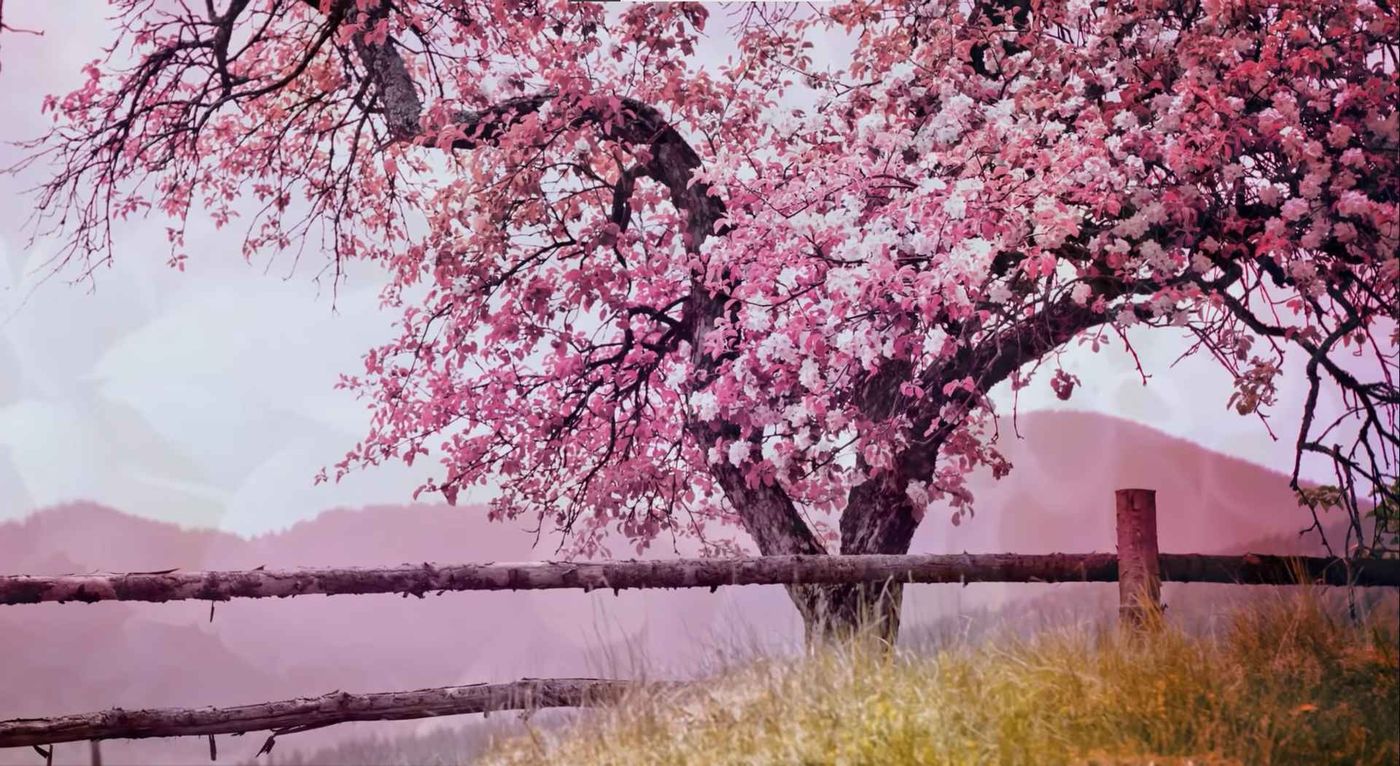
The more I chase after memories of the past, the more I try to capture the inner connection between bygone years and this very moment, the deeper my sense of fate becomes.
Wanyun later told me that this survival instinct of hers was a chronic ailment rooted in her childhood. When she was seven, she went to play by the river embankment with four companions from the village. They did not know that the floodgates would be opened that afternoon to release the floodwaters, and so tragedy struck: the five children were swept together into the torrent by the roaring river. Wanyun was relatively lucky — she was closest to the bank. Unable to swim, she flailed desperately and finally made it ashore. No one knows how far Wanyun walked that night, how long she ran, how long she cried, how many times she cried for help, how many households’ doors she knocked open. Her four companions never came back.
Everyone, all their life, is shrouded by the experiences of their childhood. Her childhood gaze upon death gave Wanyun a deep tenderness and gentleness toward all things in nature. Wanyun hung a sign on the cherry tree in her yard that read: “This is food for the birds,” to remind passersby and visiting friends and family not to pick the cherries at will.